
insulated bullet resistant glass
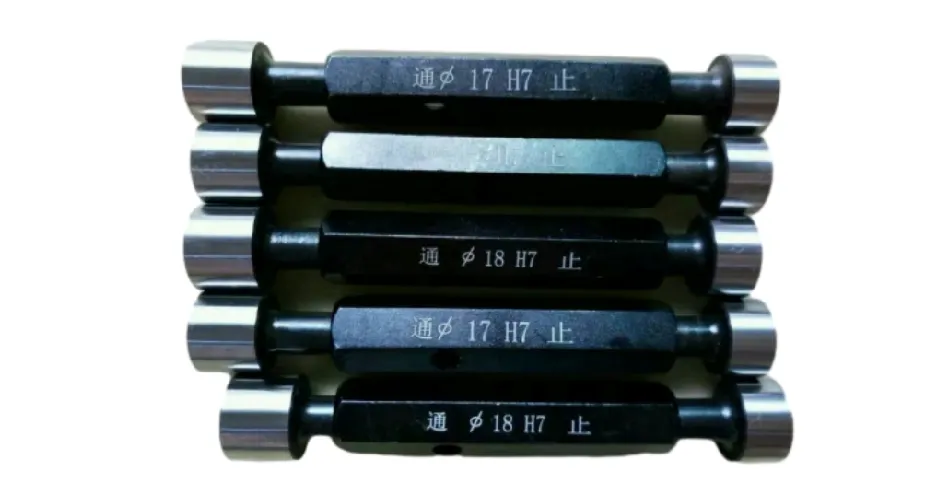
Understanding the Pin Go/No-Go Gauge A Critical Tool in Precision Engineering In the realm of precision engineering and quality control, ensuring that components meet specified tolerances is of paramount importance. One of the most effective tools used for this purpose is the Pin Go/No-Go gauge. This simple yet powerful device serves as a vital instrument in assessing whether an item complies with the designated specifications. What Is a Go/No-Go Gauge? A Go/No-Go gauge is a tool designed to assess whether a part falls within permissible limits. The gauge typically consists of two parts the Go side, which represents the maximum acceptable size, and the No-Go side, which signifies the minimum acceptable size. When testing a component, if it fits on the Go side but does not fit on the No-Go side, it is deemed acceptable. Conversely, if it fails on the Go side or fits onto the No-Go side, it indicates a defect or out-of-tolerance condition. The Role of Pins in Go/No-Go Gauges The Pin Go/No-Go gauge employs pins of various diameters or dimensions, which are representative of the tolerances specified for the part being measured. These pins are meticulously manufactured to ensure their accuracy and reliability. By inserting these pins into the holes or features of a component, engineers can quickly ascertain whether the part meets the defined criteria. For instance, if an engineer is examining a drilled hole, they may use a set of pin gauges with diameters corresponding to the desired specification. A smaller pin will represent the lower tolerance limit (Go), while a larger pin will serve as the upper limit (No-Go). This method allows for efficient testing without the need for elaborate measuring equipment. Advantages of Using Pin Go/No-Go Gauges pin go no go gauge One of the most significant advantages of using Pin Go/No-Go gauges is their simplicity and speed. Operators can quickly gauge a part's acceptability without extensive training or complicated procedures. This efficiency is particularly beneficial in production environments, where time is of the essence. Moreover, the use of pin gauges minimizes the chances of human error. The design ensures that the focus is solely on the dimensions being tested. As long as the proper sized pins are used, the results are clear-cut either the part fits or it does not. Another advantage is the cost-effectiveness of these gauges. Unlike other forms of measurement equipment that can be quite expensive, pin gauges are relatively inexpensive and easy to produce. This makes them accessible even for small-scale manufacturers and workshop operations. Applications of Pin Go/No-Go Gauges Pin Go/No-Go gauges are widely used across various industries including automotive, aerospace, and manufacturing. They are prevalent in quality assurance processes, ensuring that components like shafts, holes, and fittings conform to specified dimensions before assembly. By maintaining stringent quality control, these gauges help to prevent costly errors and ensure the longevity and reliability of the final products. Conclusion In conclusion, the Pin Go/No-Go gauge is an invaluable tool that enhances quality control processes in manufacturing and engineering. Its simplicity, efficiency, and accuracy make it suitable for various applications, serving as a reliable means of ensuring that components meet exacting standards. As industries continue to prioritize quality and precision, the role of such measuring instruments becomes increasingly crucial. Understanding and implementing Pin Go/No-Go gauges can undoubtedly lead to higher-quality outputs and improved operational efficiency.
about
insulated bullet resistant glass
Understanding Thread Plug Gauge Standards Thread plug gauges are essential tools in the manufacturing and quality control industries, primarily used to ensure the integrity of threaded components like screws, bolts, and nuts. These gauges help verify whether the threads conform to established specifications, ensuring that components fit together correctly and function as intended. A thorough understanding of thread plug gauge standards is crucial for engineers, manufacturers, and quality assurance professionals. What is a Thread Plug Gauge? A thread plug gauge is a measuring tool designed specifically to assess the form and fit of internal threads. The gauge features a tapered shape for easy insertion into the threaded holes. There are two primary types go gauges and no-go gauges. The go gauge checks whether a component's features are acceptable, while the no-go gauge ensures that the part does not exceed maximum tolerances. Importance of Thread Plug Gauge Standards The standards governing thread plug gauges ensure uniformity and quality across various industries. For manufacturers, adherence to these standards minimizes the risk of parts failing during operation due to incorrect thread specifications. For instance, a misthreaded bolt can lead to catastrophic failures in machinery or structures. Thus, standardized gauges significantly enhance safety and reliability in engineering applications. Common Standards Organizations Several organizations establish international standards for thread plug gauges, including the American National Standards Institute (ANSI), the International Organization for Standardization (ISO), and the Deutsches Institut für Normung (DIN). These organizations outline specific requirements, such as thread dimensions, tolerances, and testing methods. For example, the ISO 1502 standard specifies the basic dimensions and tolerances for metric screw threads, including those used in thread plug gauges. thread plug gauge standard Key Parameters in Thread Plug Gauge Standards Thread plug gauge standards encompass several critical parameters, including 1. Thread Profile The profile must match the specified design, whether it’s Unified National Thread (UNC/UNF), Metric (M), or other international standards. 2. Pitch Diameter This is the diameter at which the thickness of the thread and the distance between the threads are balanced. It’s a vital measurement for ensuring that the threads mesh properly. 3. Tolerances These are limits established for how much variation from the base dimensions is acceptable. Tolerances ensure that parts fit together properly without excessive play or interference. 4. Material Specifications Thread plug gauges must be made from durable materials, typically high-grade steel or carbide, to withstand wear and tear during repeated use. 5. Calibration Regular calibration against defined standards is essential to maintain accuracy over time. This process ensures that measurements remain reliable throughout their service life. Conclusion In conclusion, thread plug gauge standards play a vital role in maintaining the quality and safety of threaded components across various industries. By adhering to these standards, manufacturers can ensure that their products meet stringent quality requirements, ultimately leading to more reliable and effective applications. As technology advances and the complexity of engineering designs increases, an understanding of these standards will remain crucial for those involved in the production and quality assurance of threaded components. Without such standards, the risk of failures due to improper threads would greatly increase, highlighting the undeniable importance of standardized practices in engineering and manufacturing.
-

High quality industrial productsagement

High quality industrial products
View Details -

Meet the diverse needs of customers

Meet the diverse needs of customers
View Details -

Strict quality control

Strict quality control
View Details -

Top raw materials

Top raw materials
View Details -

Trusted supplier

Trusted supplier
View Details
Our application



news and information
Válvula de retención de 12 mm para aplicaciones industriales y de fontanería eficientes
Válvula de Retención de 12 mm Importancia y Aplicaciones Las válvulas de retención son dispositivos
Vertical Y Strainers for Efficient Liquid Filtration Solutions
vertical y strainer .
Water Valve Replacement Tips for Efficient Plumbing Maintenance and Repairs
Water Valve Replacement A Comprehensive Guide Water valves play a crucial role in the plumbing syste
 English